Why a weekend emergency dentist matters
When you wake up on a Saturday with severe tooth pain or chip a tooth on a Sunday afternoon, waiting until Monday is often not an option. A weekend emergency dentist gives you access to rapid care when most offices are closed, which can be critical for saving a tooth, stopping an infection, and protecting your overall health.
According to current guidance, if you have bleeding that will not stop, facial bones that might be broken, or pain that does not improve with medication, you should contact a dentist immediately or go to the emergency room for treatment. Understanding where a weekend emergency dentist fits into this picture helps you make the right decision when every minute counts.
A practice that offers a same day emergency dentist appointment or weekend hours fills the gap between routine dental visits and a true medical emergency. You gain fast access to diagnosis, focused pain relief, and a clear treatment plan so you know exactly what comes next.
Recognizing true dental emergencies
Not every dental concern requires immediate weekend treatment, but many do. Knowing the difference can save you from unnecessary worry, and in more serious situations, it can save your tooth or even your life.
Symptoms that need urgent weekend care
You should seek a weekend emergency dentist or medical care right away if you notice any of the following:
- Severe, throbbing tooth pain that keeps you from sleeping or functioning
- Swelling in your face, cheek, or gums, especially if it spreads or worsens
- A tooth that has been knocked out, loosened, or displaced
- Cracked or broken teeth with sharp edges or exposed inner tooth structure
- Pus, a bad taste, or a visible pimple on the gums suggesting an abscess
- Bleeding that does not slow or stop after gentle pressure
- Trauma to the mouth from an accident, sports injury, or fall
For painful tooth infections and abscesses, a weekend visit can be essential. A serious dental infection will not improve on its own and can spread to other areas of your body. Emergency rooms can provide antibiotics or pain medication when dentists are not available, but they do not perform restorative dental procedures, so you will still need to see a dentist as soon as possible for definitive care.
When to choose ER, urgent care, or dentist
In many situations, a weekend emergency dentist is the best first step. There are a few important exceptions.
You should go directly to an emergency room or urgent care center instead of a dental office if:
- You suspect broken facial bones or jaw after an accident
- You have difficulty breathing or swallowing
- Swelling is affecting your eye or extending down your neck
- You have a high fever with facial swelling
- Bleeding will not stop after 10 to 15 minutes of firm pressure
For dental emergencies such as broken or knocked out teeth, immediate care from a dentist is preferred whenever possible. If the injury is more severe or all dental offices are closed, urgent care or an emergency room is advised until you can be seen by a dentist.
Common weekend dental emergencies
Weekend dental emergencies range from acute pain to visible damage or sudden swelling. Understanding what might be happening helps you explain your symptoms clearly when you call for a emergency dentist appointment.
Severe toothache and infection
A deep, constant toothache that worsens when you lie down or chew is often a sign of an infection inside the tooth or in the surrounding bone. You might notice sensitivity to hot or cold, pain with biting, or swelling near the affected tooth.
You can find targeted care through services such as a toothache relief dentist or severe tooth pain treatment. In many cases, an emergency root canal can remove the infected tissue inside the tooth and preserve it. If the tooth cannot be saved, an emergency tooth extraction may be the safest option.
Because emergency rooms cannot perform these procedures, they typically provide temporary pain control or antibiotics only, and then direct you back to a dentist for follow up care.
Dental abscess and swollen gums
A dental abscess is a pocket of pus caused by a bacterial infection. You might see a bump on your gum, feel pressure, or notice a foul taste in your mouth. Swollen, tender gums can indicate a spreading infection that needs prompt attention.
Weekend emergency dentists often provide:
These services focus on relieving pressure, controlling the infection, and planning definitive treatment such as a root canal or extraction. Because immediate care within the first hours of severe symptoms can prevent complications, you should not wait until regular office hours if you suspect an abscess.
Broken, cracked, or chipped teeth
Cracks and fractures can occur from biting hard foods, grinding your teeth, or injury. You might notice sharp edges, pain on biting, or sensitivity to temperature changes. Minor chips are usually less urgent, but deeper cracks that reach the inner layers of the tooth are emergencies.
A weekend emergency dentist can provide:
Prompt treatment helps protect the inner nerve of the tooth from infection and may prevent the need for more extensive work later. In some cases, quick bonding or a temporary restoration can stabilize the tooth until a permanent crown or other solution is completed.
Knocked out or loosened teeth
If a tooth is completely knocked out, time is critical. Immediate dental care within about one hour greatly increases the chance of saving the tooth, which shows why a weekend emergency dentist or emergency services are so important when this happens outside regular hours.
If possible, you should:
- Handle the tooth only by the crown, not by the root.
- Gently rinse it with clean water if it is dirty, without scrubbing.
- Try to place it back in the socket and hold it in place.
- If you cannot reinsert it, keep it in milk or in your cheek to keep it moist.
- Seek immediate help from a knocked out tooth dentist or, if none are available, go to an emergency room.
A tooth that has been loosened but not completely dislodged also needs urgent evaluation. Splinting and stabilizing the tooth as soon as possible improves the chance of long term success.
Lost fillings, crowns, and restorations
Losing a filling or crown can expose sensitive tooth structure and leave you vulnerable to pain or further breakage. While not always as urgent as trauma or infection, it can still interfere with eating, speaking, or sleeping.
Weekend emergency dentists often offer:
Temporary materials or a quick recementing may be all that is needed to protect the tooth until a follow up visit for permanent restoration.
How weekend emergency dentists provide urgent care
A weekend emergency dentist focuses on stabilizing your condition, relieving pain, and preventing your problem from getting worse until any needed long term treatment can be completed.
Rapid assessment and diagnosis
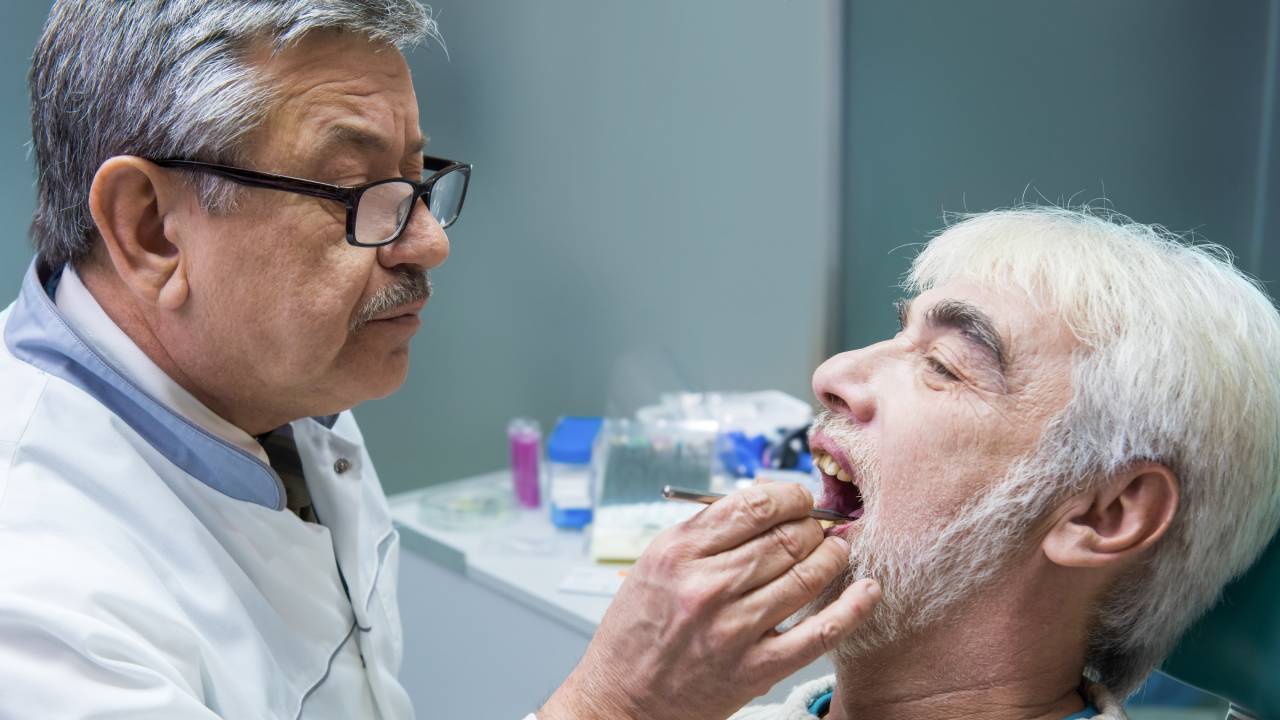
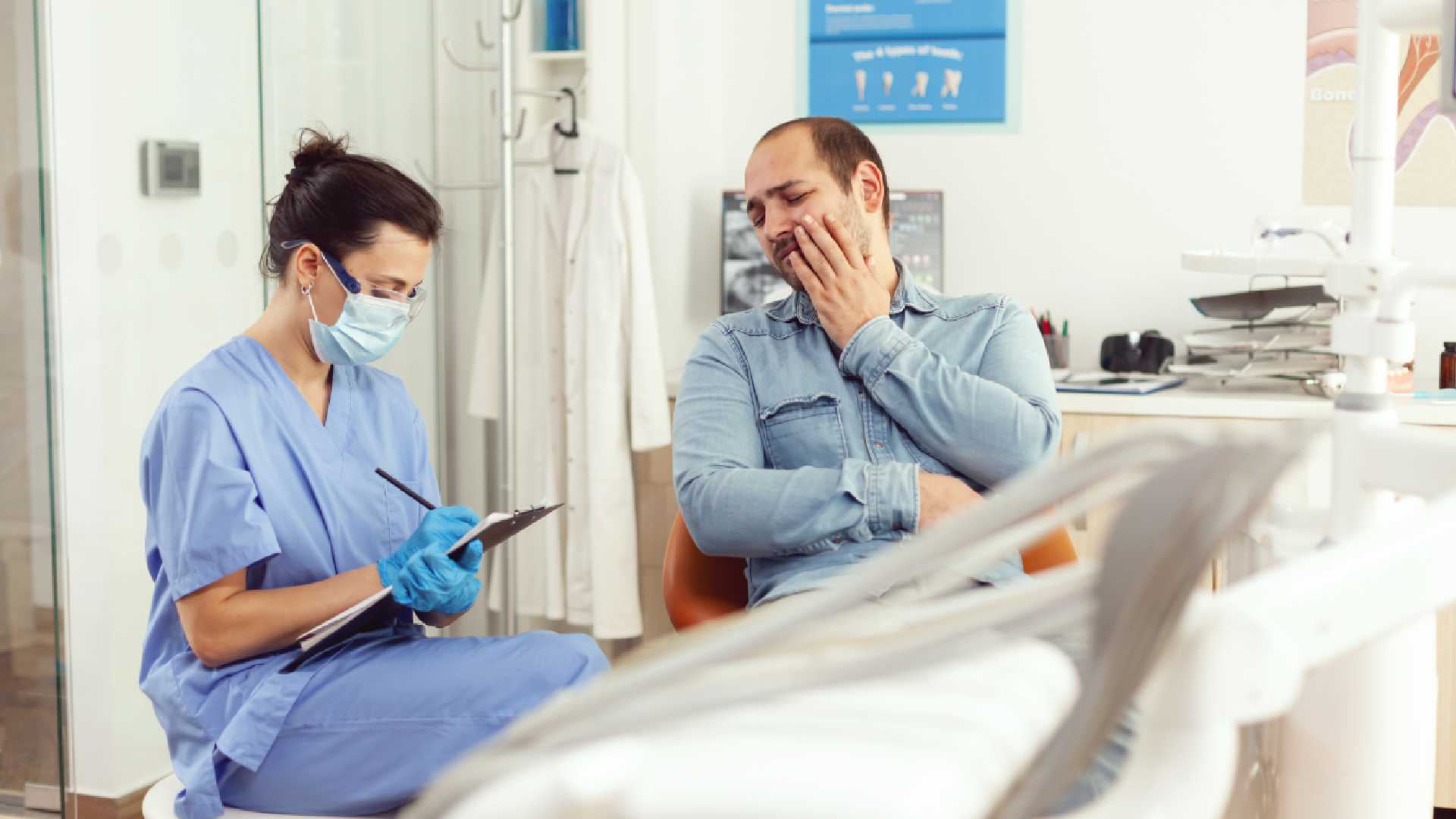
When you arrive for a weekend urgent visit, the team typically begins with a focused exam. This may include:
- A review of your symptoms and medical history
- X rays if needed to see roots, bone, or hidden decay
- Tests to identify which tooth or area is causing pain
- Checking for signs of infection or traumatic injury
By narrowing down the cause of your problem, your dentist can recommend appropriate same day options such as sudden dental pain relief, cleaning out an infected area, or stabilizing a fractured tooth.
Same day pain relief and stabilization
Weekend emergency care often emphasizes quick relief and temporary stabilization first, followed by a clear plan for follow up treatment. Depending on your situation, this may include:
- Local anesthetic to numb the painful area
- Medication to reduce pain and inflammation
- Antibiotics when there are signs of spreading infection
- Opening a tooth to allow drainage of infection before a full root canal
- Smoothing sharp edges or placing a temporary filling or crown
- Splinting loose teeth after trauma
If you arrive as a walk in emergency dentist patient, you can usually expect a streamlined check in process and a focused visit that addresses your most urgent concern right away.
Clear treatment pathways after your visit
Emergency dental care does not end when you leave the office. You should leave with:
- A written diagnosis or description of what was found
- A short term medication plan if needed
- Specific instructions for home care and warning signs
- Recommendations for definitive treatment, such as an emergency root canal, crown, or emergency tooth extraction
- A follow up appointment or referral if more extensive care is required
Weekend emergency dentists are trained to identify problems that can wait for routine scheduling and those that need immediate or early follow up. That guidance helps you avoid both unnecessary worry and unnecessary delays.
In many cases, the main goal of a weekend emergency visit is to buy time safely by controlling pain, stopping progression of an infection, and protecting tooth structure until comprehensive treatment can be completed.
Same day pain and infection treatment options
Because this type of care focuses on urgent situations, you can expect a weekend emergency dentist to prioritize procedures that quickly control pain and infection.
Targeted relief for tooth pain
Quick relief is often the first reason you seek a weekend emergency dentist. Depending on the cause of your discomfort, options may include:
- Numbing injections around the affected tooth
- Cleaning and medicating an inflamed gum pocket
- Placing a sedative filling to calm an irritated nerve
- Adjusting a high filling or crown that is causing bite pain
- Recommending over the counter or prescription pain relievers and how to use them safely
If your pain is due to deep decay or a dying nerve inside the tooth, your dentist may recommend urgent infected tooth treatment that includes starting root canal therapy or carefully monitoring the tooth until full treatment can be completed.
Managing dental infections and abscesses
Infections of the teeth and gums do not resolve on their own. The role of a weekend emergency dentist is to control the infection early and reduce the risk of complications. This may involve:
- Draining an abscess where possible
- Cleaning out the root canals to remove infected tissue
- Prescribing antibiotics when there are signs of spreading infection or systemic symptoms
- Planning necessary follow up for full dental abscess treatment or dental infection treatment urgent
Emergency rooms can provide antibiotics and pain medication on weekends but cannot complete dental procedures like root canals or extractions, so prompt follow up with a dentist remains essential.
Protecting and restoring damaged teeth
For broken, chipped, or cracked teeth, weekend dentists focus on protection and stabilization. Depending on the extent of damage you may receive:
- Smoothing or bonding sharp edges
- Temporary fillings over exposed dentin
- Reinforcement with a temporary crown or splint
- Instructions to avoid chewing on the affected side until permanent repair
With services such as broken tooth emergency repair, cracked tooth emergency care, and chipped tooth repair dentist, you reduce the risk of fractures extending deeper or bacteria reaching the tooth’s nerve.
Accessing weekend emergency dental services
When you are in pain on a weekend, knowing how to reach a dentist quickly can make the process less stressful and more efficient.
Finding a weekend emergency dentist near you
Many dental practices now offer dedicated emergency hours or reserve time in their schedules for same day urgent visits. You can look for:
- Offices that clearly advertise same day emergency dentist services
- Practices that provide a 24 hour on call number for advice about next steps
- Clinics with evening and weekend hours
- Locations that accept walk in emergency dentist visits
Some large dental organizations and multi location practices offer same day, walk in emergency care nationwide. Patients can often walk in, call, or schedule online for immediate treatment of issues such as severe tooth pain, knocked out teeth, swelling, broken teeth, and urgent infections.
What to do before you arrive
While you are arranging your visit, you can take a few steps to protect your tooth and manage your symptoms:
- Rinse gently with warm salt water to keep the area clean
- Use a cold compress on the outside of your cheek to reduce swelling
- Take over the counter pain relievers as directed, unless your medical doctor has advised otherwise
- Avoid placing aspirin directly on gums or teeth, which can irritate tissues
- If a tooth is knocked out, handle it carefully and keep it moist as described earlier
If you have heavy bleeding, difficulty breathing, or signs of serious injury or infection, you should go directly to the emergency room or call emergency services for help.
Costs and what to expect financially
The cost of weekend emergency dental care varies based on the treatment you need, your location, and your insurance coverage. Many offices provide:
- A detailed estimate before treatment begins
- Information about what your insurance is likely to cover
- Flexible payment or third party financing options
- Discount or savings plans that offer reduced fees without insurance
For example, some emergency dental providers offer flexible third party financing and savings plans that can reduce the cost of care by up to a certain percentage without requiring insurance. When you schedule or arrive, you can ask what payment options are available so you can focus on your health without added uncertainty.
When timely weekend care protects your health
Dental problems that strike on weekends are more than just inconvenient. They can have a direct impact on your long term oral health and your overall well being.
Preventing complications and tooth loss
Prompt weekend care helps you:
- Save teeth that might otherwise be lost
- Prevent infections from spreading to other parts of your body
- Avoid more extensive and expensive treatments later
- Maintain your ability to chew, speak, and smile comfortably
Immediate dental care within the first hour after a tooth is knocked out, for instance, greatly improves the chance that the tooth can be successfully replanted. Quick treatment of cracks and fractures also reduces the risk that they will propagate deeper into the root, where repair becomes more difficult.
Supporting comfort, confidence, and quality of life
Intense dental pain and visible damage to your teeth can be emotionally overwhelming. A weekend emergency dentist offers more than just clinical treatment. Timely care helps you:
- Sleep, eat, and function again without severe pain
- Avoid the anxiety of waiting days for relief
- Feel more in control of your health and schedule
- Limit missed work or family obligations during the week
By focusing on targeted services like sudden dental pain relief, severe tooth pain treatment, and urgent infected tooth treatment, weekend emergency dentists give you a practical, calming path forward at a moment when you may feel most vulnerable.
Taking the next step when you need help
If you are experiencing sudden tooth pain, swelling, a fracture, or dental trauma on a weekend, you do not need to wait and hope it improves on its own. Reaching out for a prompt emergency dentist appointment or visiting a practice that accepts walk in emergencies connects you with the care you need.
Whether your situation calls for swollen gum emergency treatment, dental abscess treatment, broken tooth emergency repair, or another urgent service, the role of a weekend emergency dentist is to protect your health, relieve your pain, and guide you clearly through your next steps.